




Industrial Deodorizing Systems
Industrial Deodorizing Systems
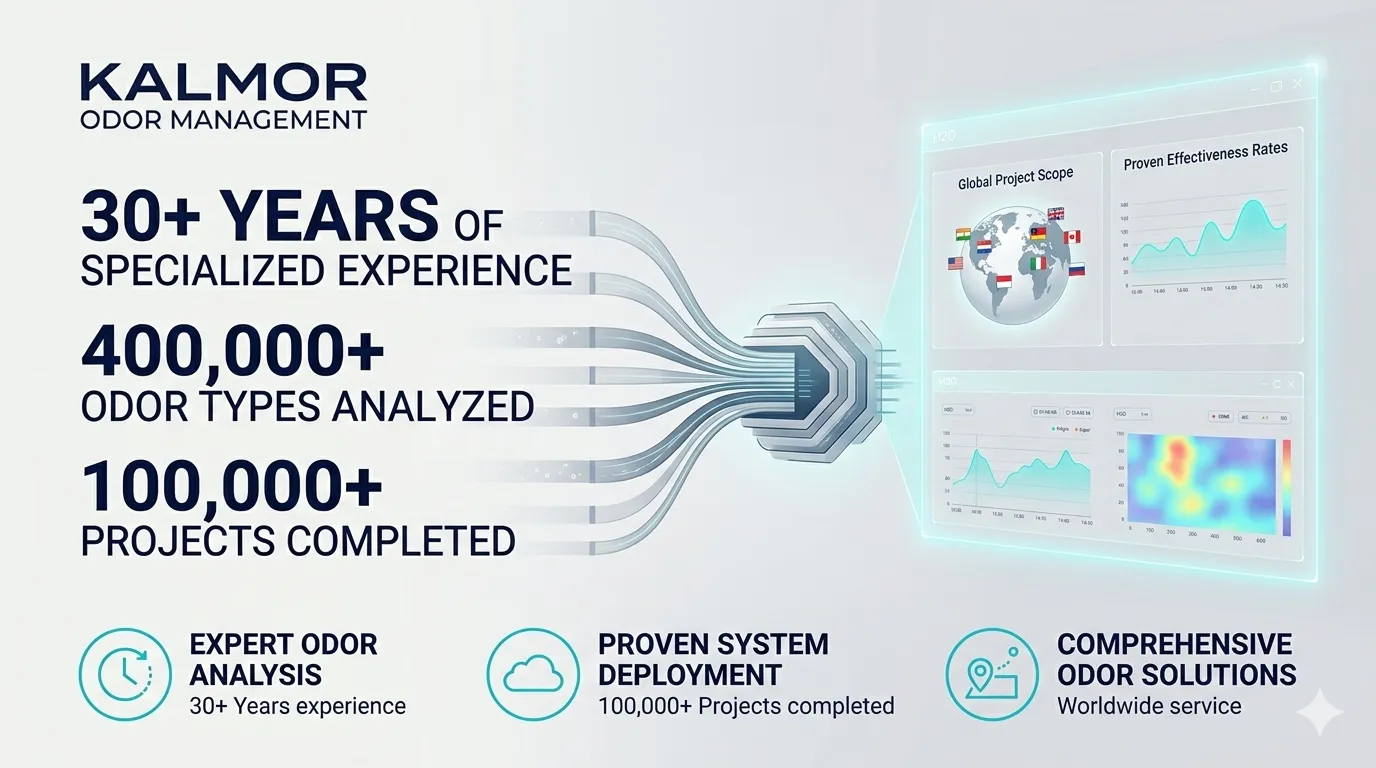
30 years of specialized deodorization experience.
Over 100,000 projects completed. Kalmor offers a comprehensive lineup of wet and dry
deodorizing systems — from large-scale factory exhaust treatment to compact indoor units —
each selected and designed by certified odor assessment professionals.
Small–Large Scale
Rental & Demo
Factory Exhaust
Kitchen Exhaust
Indoor Use
Product Lineup — Factory & Industrial
Seven deodorizing systems for factory exhaust, industrial processes, and
large-scale odor control.
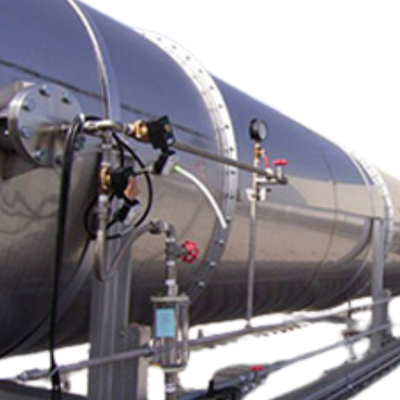
Deodorant Spray System
A spray-based deodorization system that injects atomized deodorant agents into exhaust
ducts.
Handles medium to high air volumes at low cost. Versatile — agents can be matched to
specific odor types.
- Pros: Cost-effective for large air volumes; adaptable to various
odor types - Cons: Requires drainage, agent replenishment, and periodic
maintenance
Printing
Food Processing
Tire Mfg.
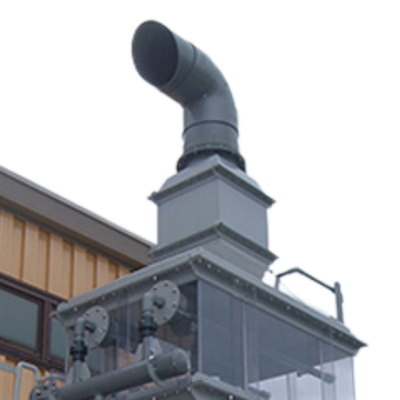
Wet Scrubber
Uses water or chemical solutions to absorb water-soluble odor compounds.
Low-cost installation when target odors dissolve readily in water.
- Pros: Inexpensive for water-soluble odors
- Cons: Limited to water-soluble compounds; corrosion and wastewater
management required
Wastewater
Chemical Plants
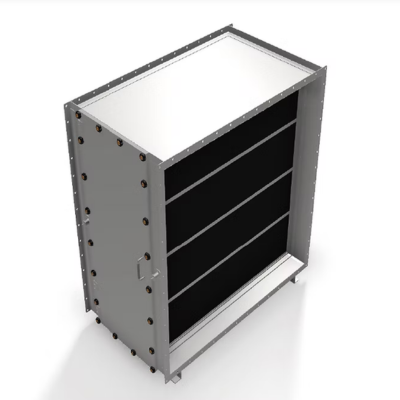
Ceramic Filter (Zeogaia)
Specialized for food and cooking odors.
High deodorization performance with moderate initial and running costs.
Handles garlic, spice, curry, fryer, and other food processing exhaust.
- Pros: Excellent for food-related odors; cost-balanced
- Cons: Oil-heavy exhaust shortens filter lifespan; high cost at very
large volumes
Spice/Curry
Fryer Exhaust
Bakery
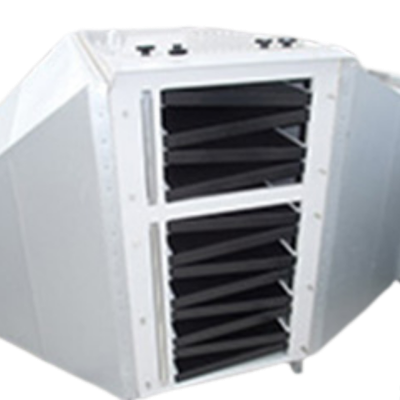
Activated Carbon Filter
Adsorption-based deodorization using activated carbon media.
Low-cost when odor concentration and humidity are low.
Good compatibility reduces running costs significantly.
- Pros: Low cost for low-concentration, dry environments
- Cons: High humidity, oil mist, or high concentration increases
running costs; reduced efficiency above 40°C
Black Garlic
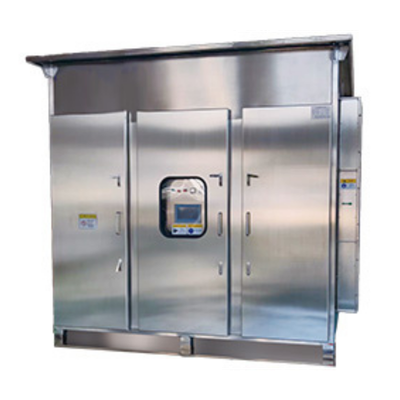
Plasma Deodorizer
(NeoPlaz)
High-performance plasma-based deodorization at low cost.
Handles intense odors including oil mist and dust-laden exhaust.
Ideal for environments where other systems underperform.
- Pros: Powerful against strong odors; handles oil mist and dust
- Cons: Less effective for solvent-based odors; not cost-effective
for low-concentration applications
Textile
Rendering
Foundry
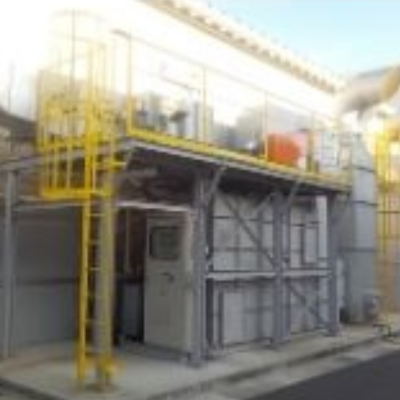
Direct Combustion
Burns odor compounds at high temperature for simple, consistent removal.
No filters or chemicals — minimal variation in deodorization efficiency.
- Pros: Stable, consistent efficiency; no filters or agents to
replace - Cons: High fuel costs due to combustion temperature; increased
nitrogen emissions
Electronics
Refractory Products
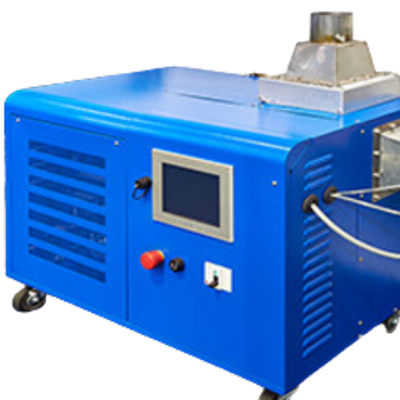
Catalytic Oxidation (ETO)
High-temperature catalytic oxidation for small-volume, high-concentration solvent odors.
Standard deodorization rate of 95%. Suitable for perfume and confectionery factories.
- Pros: 95% deodorization rate; excellent for solvent-based,
high-concentration odors - Cons: High initial cost relative to air volume; certain compounds
can poison the catalyst
Confectionery
Product Lineup — Indoor & Kitchen
Three systems for occupied spaces, commercial kitchens, and building-level odor
remediation.
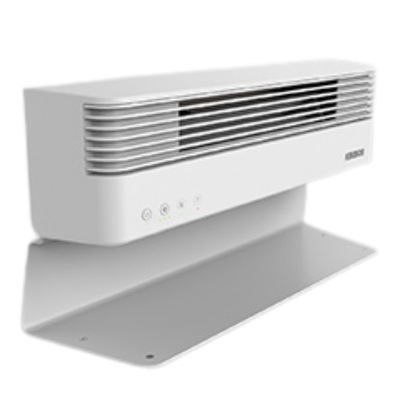
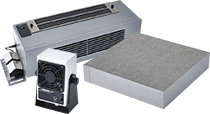
Oxygen Cluster Deodorizer
Safe for occupied spaces. Deodorizes and sanitizes simultaneously.
Compact — wall-mount or floor-standing. Ideal for offices, hotels, and medical
facilities.
- Pros: Safe for people; dual deodorization + sanitization
- Cons: Moderate deodorization power; large areas may require
multiple units
Hotel
Hospital
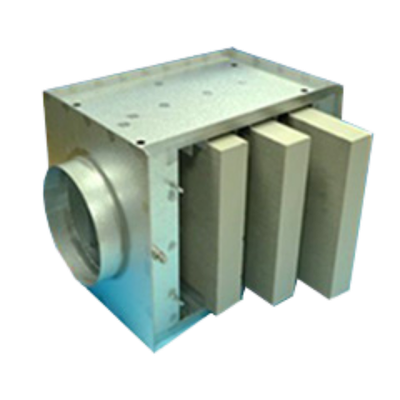
Kitchen Exhaust Filter
(Zeogaia)
Ceramic-based filter for commercial kitchen exhaust.
Strong deodorization across a wide range of cooking odors.
Flexible design for small to large air volumes.
- Pros: Broad cooking odor coverage; scalable
- Cons: Oil mist reduces durability; higher cost than standard
filters
Bakery
Hotel
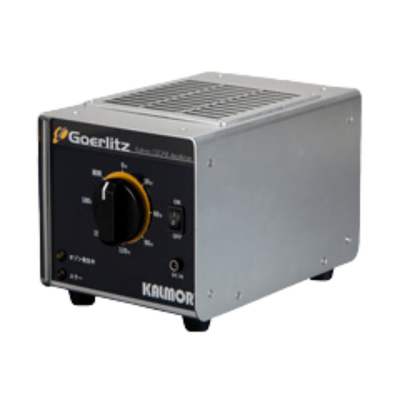
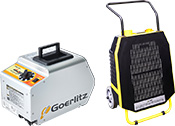
Ozone Generator
High-concentration ozone treatment for deep-set odors in buildings.
Removes odors embedded in walls, floors, and materials.
Scales from vehicles to large warehouses.
- Pros: Eliminates embedded odors; sanitizes; scalable from cars to
warehouses - Cons: One-time treatment only; harmful to humans during operation
Warehouse
Hotel
System Comparison
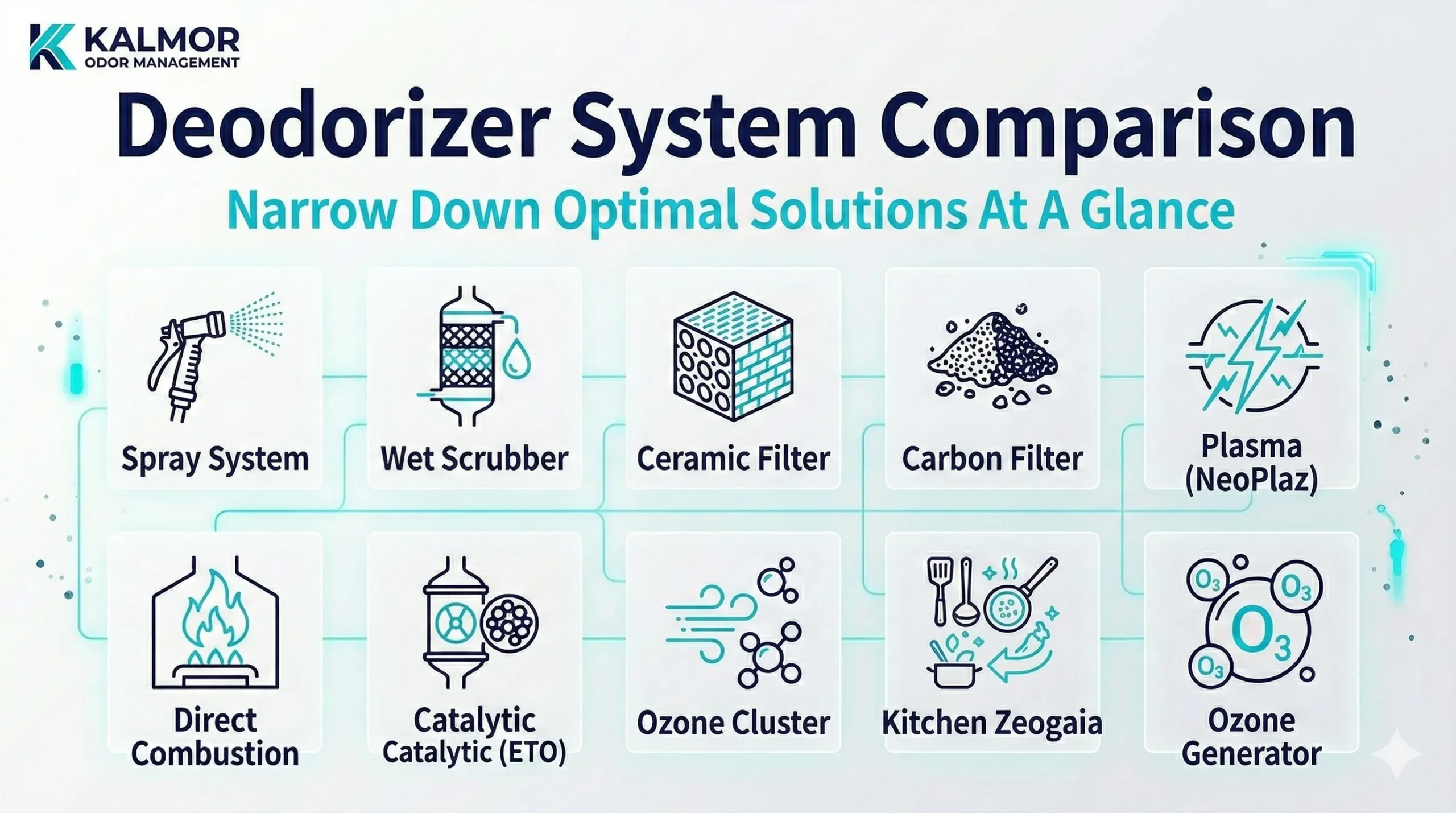
Compare all deodorizing systems at a glance to narrow down the best fit for
your application.
| System | Type | Best For | Air Volume | Running Cost | Key Limitation |
|---|---|---|---|---|---|
| Spray System | Wet | Mid–large volume, diverse odors | Medium–Large | Medium | Agent replenishment & drainage |
| Wet Scrubber | Wet | Water-soluble odors | Medium–Large | Low–Medium | Limited to water-soluble compounds |
| Ceramic Filter | Dry | Food & cooking odors | Small–Medium | Medium | Oil-heavy exhaust shortens life |
| Carbon Filter | Dry | Low-concentration, dry odors | Small–Medium | Low–High* | Humidity & heat reduce efficiency |
| Plasma (NeoPlaz) | Dry | Strong odors with dust/oil | Small–Medium | Low | Not ideal for solvents |
| Direct Combustion | Dry | Consistent high-temp removal | Medium | High | High fuel cost; NOx emissions |
| Catalytic (ETO) | Dry | Solvents, high-conc. exhaust | Small (≤100m³/min) | Medium | Catalyst poisoning risk |
| Oxygen Cluster | Dry | Occupied indoor spaces | Room-level | Low | Moderate deodorization power |
| Kitchen Zeogaia | Dry | Restaurant/kitchen exhaust | Small–Large | Medium | Oil mist reduces durability |
| Ozone Generator | Dry | Building odor remediation | Room/building | Low | One-time use; unsafe during operation |
* Carbon filter running cost depends heavily on odor concentration, humidity, and temperature
conditions.
How to Choose the Right System
Successful deodorization requires three key inputs — all three must align for
the right result.
Understand Your Odor
Identify the odor compounds involved. For composite odors (mixtures of many substances),
expert analysis is needed to determine which compounds to target.
Kalmor’s odor database covers 400,000+ substances.
Match the Technology
Each deodorization method excels against specific odor types.
Matching the wrong technology to the wrong odor is the #1 cause of system failure.
Literature helps, but field experience is irreplaceable.
Assess Site Conditions
Measure exhaust air volume, odor concentration fluctuations, temperature, humidity, and
dust/oil content. Incomplete site data leads to oversized, overpriced systems —
or worse, systems that don’t work.
Air Volume × Efficiency × Cost
At low to medium air volumes (up to ~500 m³/min), multiple system types are available
with varying cost profiles. Above 1,000 m³/min, options narrow significantly —
spray-based systems often become the primary choice.
Actual system selection also depends on odor chemistry, concentration variability,
and facility constraints. Kalmor’s 30 years of field data guide the optimal match.
Common Deodorization Pitfalls
Real-world problems we encounter at client sites — and why they happen.
Failure Cases We’ve Seen
- Deodorizer installed but odor complaints continue — regulatory improvement order received
- Passed odor index measurement at exhaust point, but boundary odor levels remain high
- Kitchen exhaust odor drifting into parking garage of mixed-use building
- Activated carbon exhausted far sooner than projected — replacement costs escalating
- Carbon filters installed in high-humidity exhaust — condensation, zero deodorization
- Scrubber neutralization insufficient — residual odor persists
- Biological deodorizer not removing odors — actually amplifying them
- Dust and oil mist clogging filters — deodorization system non-functional
With 400,000+ odor compounds on earth, no single technology can address them all.
Failures typically stem from mismatched technology, incomplete site analysis,
or lack of odor chemistry expertise. Since 1990, Kalmor has accumulated data from
over 100,000 deodorization projects — this depth of experience prevents costly mistakes.
Demo & Rental Program
Test deodorization effectiveness at your facility before committing to a full
installation.
“Chibi-Zeo” Portable Demo Unit
A compact, ready-to-use demo deodorizer shipped with all required equipment.
No specialist installation needed — test deodorization effectiveness on-site
the same day it arrives. Confirm whether odor standards are met before purchasing.
Short-term System Rental
Need temporary deodorization during construction, renovation, or seasonal operations?
Kalmor offers rental deodorizing systems matched to your specific odor conditions.
Minimize capital expenditure while maintaining compliance.
Why Kalmor
Japan’s deodorization specialists since 1990.
30 Years of Expertise
Over 100,000 deodorization projects completed since 1990.
Every system recommendation is backed by decades of field-verified data —
not just theory.
400,000+ Odor Database
Kalmor maintains one of the industry’s most comprehensive odor compound databases.
Combined with a full lineup of deodorization technologies,
we match the right solution to every odor challenge.
One-Stop Odor Solutions
From initial odor assessment and measurement,
through system selection, installation, and ongoing support —
Kalmor handles the entire process. No middlemen, no miscommunication.
FAQ
I don’t know which deodorizing system is right for us. Can you help?
Absolutely. Start by contacting us with basic information about your facility,
odor type, and exhaust volume. Our certified odor assessors will recommend
the most suitable technology. We also offer on-site surveys and odor assessments.
Can I rent or demo a deodorizer before purchasing?
Yes. Our “Chibi-Zeo” portable demo unit can be shipped to your site for self-service
testing.
Rental programs are also available for short-term or seasonal needs.
Most rental customers proceed to purchase after confirming effectiveness.
Can you handle large air volumes above 1,000 m³/min?
Yes. For very large air volumes, spray-based deodorization systems are typically
the most cost-effective solution. Kalmor has extensive experience with
large-scale industrial applications including automotive, cement, and tire manufacturing.
Why do activated carbon filter costs vary so much?
Carbon filter running costs depend on three factors: odor concentration
(higher = faster saturation), humidity (moisture blocks adsorption sites),
and temperature (above 40°C, adsorption efficiency drops). When conditions
are favorable, carbon is very economical. When not, alternative technologies
like plasma or ceramic filters may be more cost-effective.
Can you guarantee compliance with Japan’s Offensive Odor Control Law?
While no vendor can guarantee compliance (odor conditions are dynamic),
Kalmor’s approach — proper measurement, technology matching, and demo testing —
minimizes the risk of non-compliance. Our odor assessment service provides
the data foundation for defensible regulatory submissions.
Do you support overseas facilities?
Yes. Kalmor supports odor control projects at overseas facilities,
including system design, equipment supply, and remote consultation.
Contact us for details about international project support.
Find the right deodorizing system for your facility.
Contact us for consultation, demo testing, rental, or system design support.

Kalmor Technical Services(Foreign Language) 製品一覧
- Factory Exhaust Ceramic Filter Deodorization System “Zeogaia”
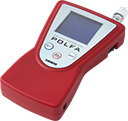
- Portable Odor Sensor POLFA
- Ceramic filter deodorizer for kitchen exhaust ZEOGAIA
- Fixed-point odor observation system LIMOS
- Injectable Low-Temperature Plasma Deodorizer NeoPlas
- Industrial Deodorizing Systems
- carbon Deodorization System
- Odor measuring device
- Odor Assessment Service
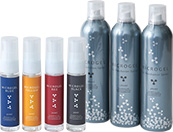
- Microgel deodorizer
- Powerful Ozonizer
- Odor Index & Odor Concentration Testing